

Empowering Educators and Learners for a Digital Future
The Promise and Pause: Coding and Robotics in South African Schools
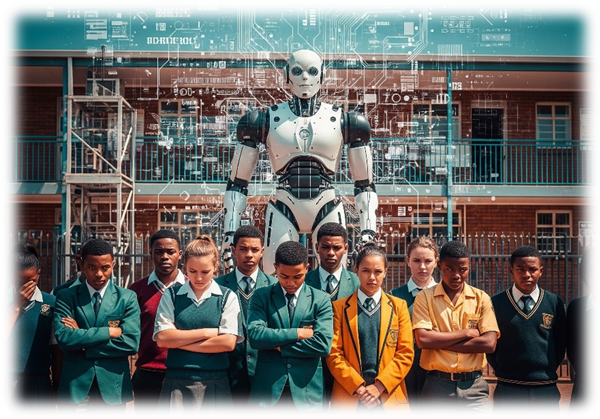
South Africa stands at the gateway to the fourth industrial revolution, where digital skills are not a luxury, but a necessity. In recent years, the Department of Basic Education (DBE) announced an ambitious plan to introduce coding and robotics as mandatory subjects across all public schools. The move was widely celebrated as progressive, promising to equip future generations with critical skills for a fast-evolving digital economy. However, the reality of implementation has been marked by delays, pushing back the national roll-out and leaving educators, parents, and learners in a state of uncertainty.
Why does this matter? Coding and robotics nurture problem-solving, logical thinking, creativity, and computational fluency. These are not just technical skills, but foundational abilities needed for modern workplaces and entrepreneurial ventures. South Africa’s persistent unemployment rate, especially among youth, amplifies the urgency: integrating such subjects into the curriculum isn’t optional, it’s essential.
The Promise and Pause: Coding and Robotics in South African Schools
Rolling out a subject as multifaceted as coding and robotics requires considerable groundwork. The DBE’s delay is rooted in several practical challenges:

- Infrastructure Gaps: Many schools, particularly in rural and underserved areas, lack basic computing resources, reliable internet connectivity, and even stable electricity.
- Teacher Preparedness: There is a chronic shortage of educators trained to teach coding and robotics. Most teachers have not been exposed to these subjects in their own education, compounding the skills gap.
- Curriculum Development: Developing an inclusive, adaptable, and context-sensitive curriculum that caters to varying levels of resources is no small feat.
- Budgetary Constraints: The financial implications of equipping schools and training educators are significant, especially in a country grappling with budget pressures.
- Socioeconomic Disparities: Inequality remains a systemic barrier, often limiting access to new learning opportunities for the most vulnerable children.
Unplugged Coding: Bridging the Digital Divide
CTS: Enabling the Digital Future, One School at a Time


Our Strategy: From Awareness to Empowerment
1. Building Partnerships for impact
CTS is committed to collaborating with schools, government departments, district offices, and private sector sponsors. By forging public-private partnerships, we help unlock funding, share expertise, and scale impact. Our outreach includes hosting joint workshops and information sessions to build awareness and buy-in among school leaders and policymakers.
2. Focused Advocacy and Awareness
We believe that true transformation starts at the grassroots. CTS campaigns to demystify reservations towards coding and robotics. Our messaging stresses the relevance of digital skills for everyday life and future careers.
3. Teacher Training: The Heart of Sustainable Change
We offer training that is practical, supportive, and ongoing. Teachers learn through blended workshops combining face-to-face sessions with online modules and receive dedicated mentorship from our expert facilitators. Training covers:
- Unplugged coding activities for classrooms with no computers
- Introduction to block-based and text-based coding platforms
- Robotics fundamentals, using affordable and scalable kits
- Classroom management strategies for interactive, collaborative learning
- Assessment and reporting tools for tracking student progress
After initial training, teachers become part of the CTS Alumni Network, receiving regular updates, refresher courses, and opportunities to share best practices.
4. Supportive Roll-Out: Tailored Solutions for Every School
We recognise that each school is unique. CTS conducts a needs assessment to understand the specific context, resources, and challenges faced by each site. Based on this, we deliver customised packages that include:
- Starter kits for unplugged coding and robotics
- Gradual integration of computer-based learning, as infrastructure allows
- Printed guides and resource materials
- Ongoing technical support via a dedicated helpdesk
- School-based follow-up visits and progress reviews
5. Celebrating Success: Building Momentum
We document and share milestones from teacher certifications to student competitions amplifying the voices of those making a difference.
Enabling South Africa’s Digital Renaissance

The delay in making coding and robotics mandatory is a setback, but it is also a moment to reflect, regroup, and innovate. At CTS, we view this as an opportunity to lay stronger foundations—ensuring every school, teacher, and learner is truly ready for the digital leap.
Our message is simple: the future belongs to those who are prepared.
By focusing on support, teacher development, and inclusive methodologies like unplugged coding, CTS is helping to transform South African education from the ground up. Together, we can ensure that when the national roll-out happens, it will be a launchpad for success, equipping a generation with the skills, confidence, and creativity to shape their own futures.
Let’s code the future—together.